
Introduction
An overheating engine is one of the most common and serious problems car owners face. If ignored, it can lead to expensive repairs like a blown head gasket or even complete engine failure. Understanding why car engines overheat and how to fix the issue can save you money and prevent breakdowns on the road.
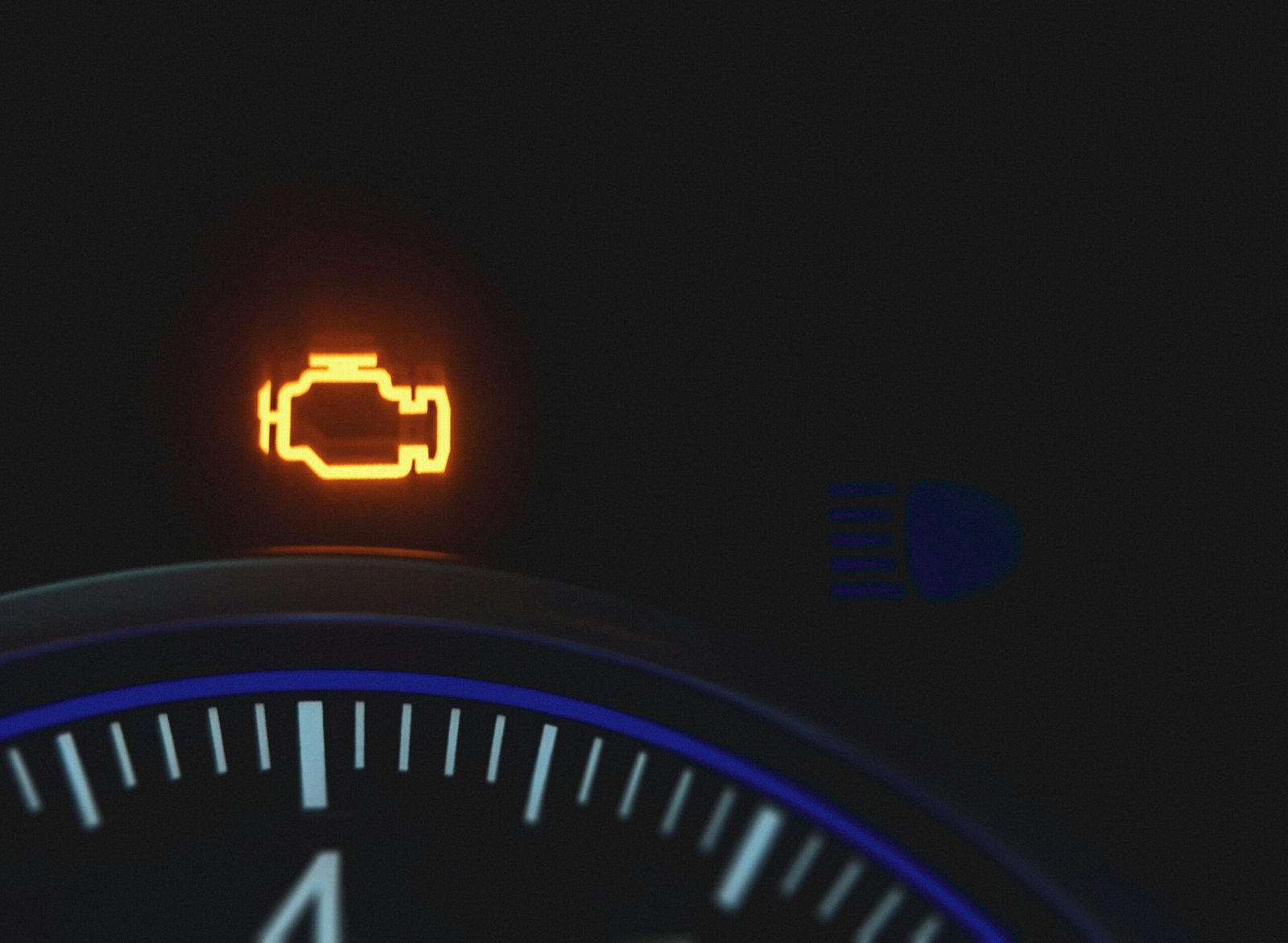
In simple terms, a car engine overheats when it gets hotter than its normal operating temperature. Most engines are designed to run between 195°F and 220°F (90°C to 105°C). When the temperature goes beyond this range, warning lights may appear on the dashboard, steam may come from the hood, or the temperature gauge may move into the red zone.
This guide explains the main causes of engine overheating, step-by-step solutions, real-life examples, and preventive tips to keep your engine running smoothly.
How the Engine Cooling System Works
Before understanding overheating, it is important to know how the cooling system works.
The cooling system includes:
- Radiator
- Coolant (antifreeze)
- Water pump
- Thermostat
- Cooling fan
- Hoses
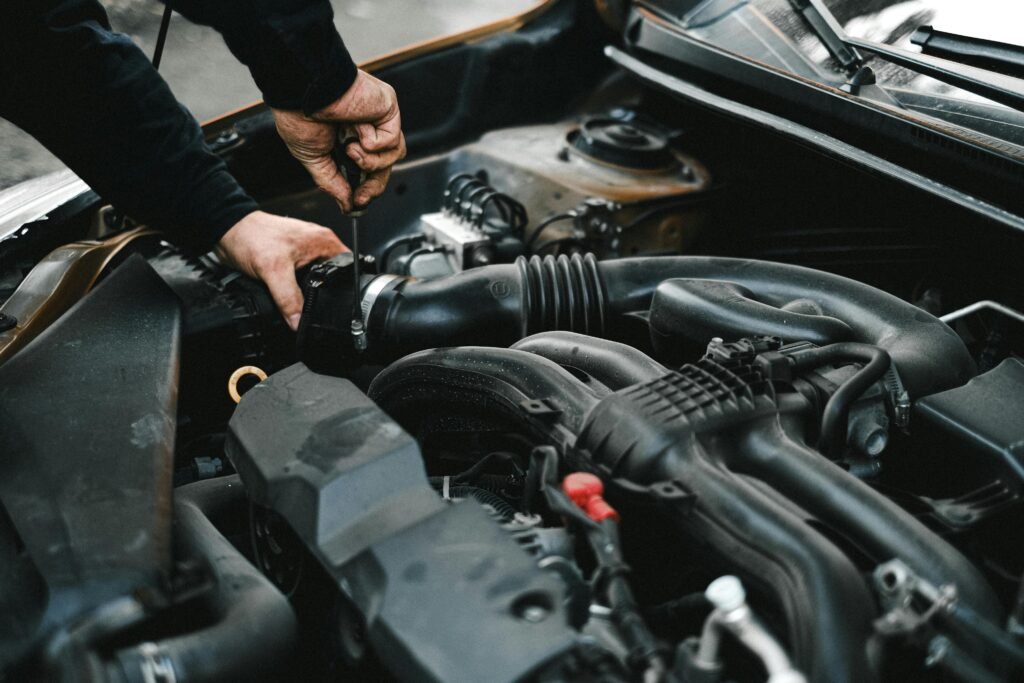
The coolant absorbs heat from the engine and carries it to the radiator, where the heat is released into the air. The cooled liquid then circulates back into the engine. If any part of this system fails, overheating can occur.
Main Causes of Engine Overheating
1. Low Coolant Level
Low coolant is the most common cause of overheating. Coolant may leak due to cracked hoses, a damaged radiator, or a faulty gasket.
When coolant levels drop, the engine cannot remove heat properly, causing temperatures to rise quickly.
Signs:
- Coolant warning light
- Visible leaks under the car
- Steam from the hood
2. Faulty Thermostat
The thermostat controls coolant flow. It opens when the engine reaches a certain temperature.
If it gets stuck closed, coolant cannot circulate, leading to rapid overheating.
Signs:
- Temperature rises quickly after starting
- No heat inside the cabin
- Coolant not flowing
3. Broken Water Pump
The water pump pushes coolant through the engine and radiator.
If it fails, coolant stops circulating, and the engine overheats.
Signs:
- Coolant leak near the pump
- Grinding noise
- Overheating at all speeds
4. Radiator Problems
A clogged or damaged radiator cannot release heat properly.
Dust, rust, or debris may block airflow or coolant flow.
Signs:
- Rusty coolant
- Coolant leaks
- Temperature increases in traffic
5. Cooling Fan Failure
The cooling fan helps cool the radiator, especially when the car is idling or moving slowly.
If the fan stops working, the engine may overheat in traffic but cool down while driving at higher speeds.
6. Blown Head Gasket
A blown head gasket is a serious issue. It allows coolant and engine oil to mix or leak.
Signs:
- White smoke from exhaust
- Milky oil
- Rapid coolant loss
- Continuous overheating
Step-by-Step Solutions for an Overheating Engine
Step 1: Turn Off the Air Conditioning
If you notice the temperature rising, turn off the AC immediately. This reduces engine load.
Step 2: Turn On the Heater
Turning on the heater pulls heat away from the engine. It may feel uncomfortable, but it can lower engine temperature temporarily.
Step 3: Pull Over Safely
If the temperature gauge reaches the red zone, stop driving immediately. Continuing to drive can cause severe engine damage.
Step 4: Let the Engine Cool Down
Do not open the radiator cap immediately. Wait at least 20–30 minutes for the engine to cool.
Opening the cap too soon can cause hot coolant to spray out and cause burns.
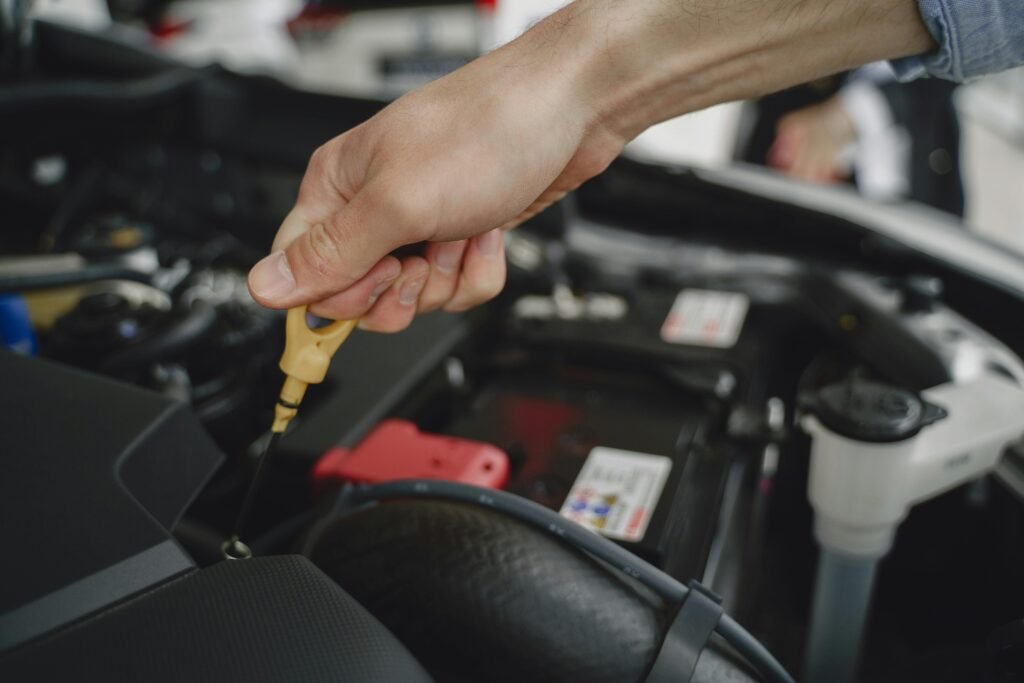
Step 5: Check Coolant Level
After cooling down:
- Open the coolant reservoir.
- Check the level.
- Add coolant or water if necessary (temporary fix).
Step 6: Inspect for Leaks
Look under the car and around the engine bay for leaks.
Check hoses, radiator, and water pump area.
Step 7: Visit a Mechanic
If overheating continues, have a professional diagnose the issue. Ignoring the problem may lead to costly repairs.
Real-Life Examples
Example 1: Low Coolant in Summer
A driver noticed steam coming from the hood during hot weather. After stopping, he found the coolant reservoir was empty due to a small hose leak. Replacing the hose and refilling coolant solved the issue.
Example 2: Faulty Cooling Fan
A car overheated only in traffic but ran fine on highways. The issue was a broken cooling fan motor. Once replaced, the overheating stopped.
Example 3: Blown Head Gasket
A driver ignored repeated overheating warnings. Eventually, white smoke appeared from the exhaust. The head gasket had failed, leading to expensive repairs. Early action could have prevented major damage.
Preventive Tips to Avoid Engine Overheating
1. Check Coolant Regularly
Inspect coolant levels at least once a month.
2. Replace Coolant on Schedule
Most manufacturers recommend changing coolant every 2–5 years.
3. Inspect Hoses and Belts
Look for cracks, leaks, or wear.
4. Clean the Radiator
Remove debris and dirt blocking airflow.
5. Monitor Temperature Gauge
Pay attention to warning signs early.
6. Service Your Car Regularly
Routine maintenance prevents small problems from becoming serious issues.
Frequently Asked Questions (FAQs)
1. Can I drive my car if it is overheating?
No. Driving an overheating car can cause severe engine damage. Stop immediately and let it cool.
2. How long does it take for an engine to cool down?
Usually 20–30 minutes, but it may take longer depending on temperature and weather conditions.
3. Can low engine oil cause overheating?
Yes. Oil reduces friction. Low oil increases friction and heat inside the engine.
4. Is overheating always a serious problem?
Not always. Sometimes it is a minor issue like low coolant. However, ignoring it can lead to serious engine damage.
Conclusion
Engine overheating is a common but serious problem that every car owner should understand. It usually happens due to low coolant, thermostat failure, radiator issues, or cooling system problems.
The key is to act quickly. If you notice rising temperatures, turn off the AC, pull over safely, and allow the engine to cool. Regular maintenance, checking coolant levels, and servicing your vehicle can prevent most overheating problems.
By understanding the causes and solutions, you can protect your engine, avoid expensive repairs, and ensure safe driving in all conditions.